How a Hotel Used Real-Time Guest Feedback to Resolve Service Issues Before Checkout

Guest concerns were sometimes reaching the hotel only after checkout, when the opportunity to recover from the experience had already passed.

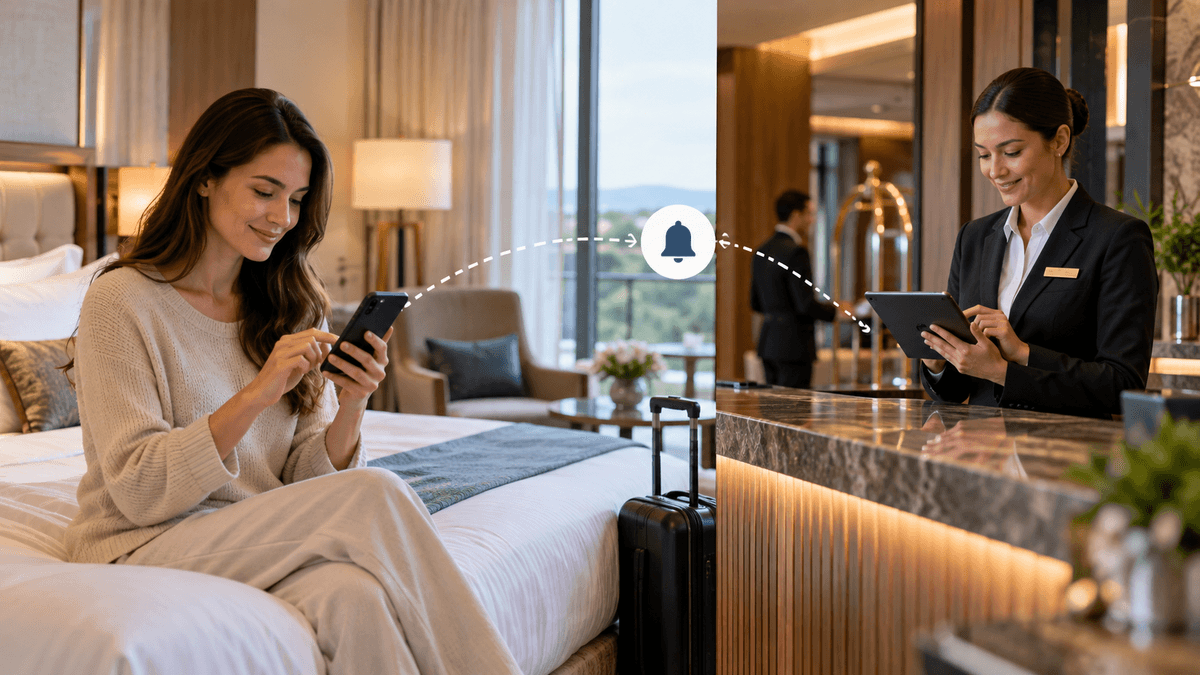
With NexGen Guest, the property introduced a real-time guest feedback process that helped teams identify service issues earlier, route concerns to the right department, and respond while guests were still on property.

Header Image
Guest issues resolved before checkout
80%

Guest issues resolved before checkout

Issue resolution through a streamlined recovery workflow
25% Faster

Issue resolution through a streamlined recovery workflow

Guest issues assigned to the right team for follow-up
Clearer Ownership

Guest issues assigned to the right team for follow-up

About Image

About the Hotel

The property serves a mix of leisure and business travelers, with guest needs spanning front office, housekeeping, maintenance, and other hotel services.

While the hotel already had established service standards, some guest concerns were not becoming visible until post-stay surveys or reviews were submitted.

The property wanted a more proactive approach `one that would help teams capture hotel guest feedback during the stay and turn it into actionable service-recovery opportunities.

The Challenge: Guest Issues Were Being Identified Too Late

Guests occasionally experienced concerns related to room conditions, housekeeping, maintenance, noise, or service requests.

The challenge was not always the hotel's ability to resolve those issues. It was knowing about them early enough.

When feedback arrived after checkout, teams could understand what had gone wrong but could no longer improve that guest's stay.

The hotel needed a way to move feedback earlier in the guest journey and create a clearer path from:
Guest concern → Team awareness → Department action → Resolution

The goal was simple: identify service issues while there was still time to fix them.

About Image

The Approach: A Real-Time Service Recovery Workflow

In-Stay Feedback

In-Stay Feedback

Guests were given an easier way to share feedback while they were still on property.

Immediate Visibility

Immediate Visibility

Real-time guest feedback gave hotel teams earlier visibility into service concerns.

Clear Department Ownership

Clear Department Ownership

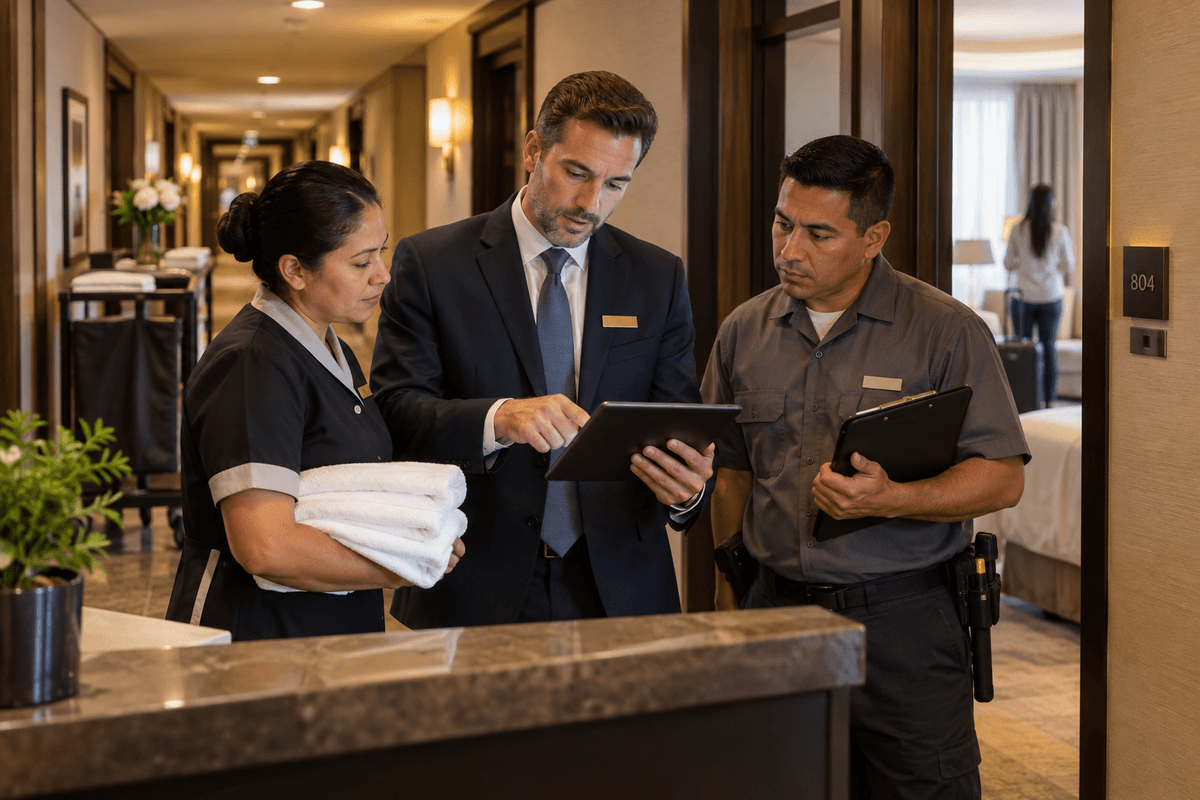
Guest concerns could be directed to the appropriate team based on the type of issue.

Closed-Loop Recovery

Closed-Loop Recovery

Resolving the operational task was only part of the process.

About Image

The Results

Moving guest feedback earlier in the stay helped the hotel create a more proactive approach to service recovery.

Around 80% of reported guest issues were resolved before checkout, giving teams a better opportunity to recover the experience while guests were still on property.

The property's averageinitial response time improved to under 20 minutes , helping staff acknowledge concerns sooner and begin the appropriate follow-up.

Connecting the front office, housekeeping, and engineering teams within a clearer recovery workflow also made it easier to assign ownership and respond to common guest concerns.

The hotel also gained:

  • Faster visibility into service issues
  • Clearer ownership between departments
  • Better tracking of recurring guest concerns
  • More opportunities to resolve problems during the stay
  • Fewer issues remaining unnoticed until post-stay feedback

The biggest improvement was not simply collecting more feedback.

It was giving hotel teams more time to act on it.

Conclusion: Turning Guest Feedback into Service Recovery

Hotel guest feedback becomes significantly more useful when teams receive it while there is still time to improve the experience. By introducing real-time guest feedback, the property moved from primarily learning about problems after checkout to identifying and addressing them during the stay.

For guests, this meant faster attention when something needed to be fixed. For hotel teams, it created a clearer service-recovery process, stronger department ownership, and better visibility into the issues affecting the guest experience. Instead of asking only, “How was your stay?” after departure, the hotel could act on a more valuable question while the guest was still there:

“How is your stay going—and is there anything we can fix?”

Case Study CTA

A New Guest Journey

Make Their First Step Remarkable!

Start the guest journey the moment they book their reservation.