


Hospitality is becoming increasingly mobile, but one familiar part of the hotel experience can still depend on something many travelers do not always have readily available: cash.
A guest may receive exceptional service from a room attendant, valet, bell attendant, concierge or another hotel team member and genuinely want to show their appreciation. But without cash at the right moment, that intention may never become a gratuity.
That is where no-app tipping for hotels changes the experience.
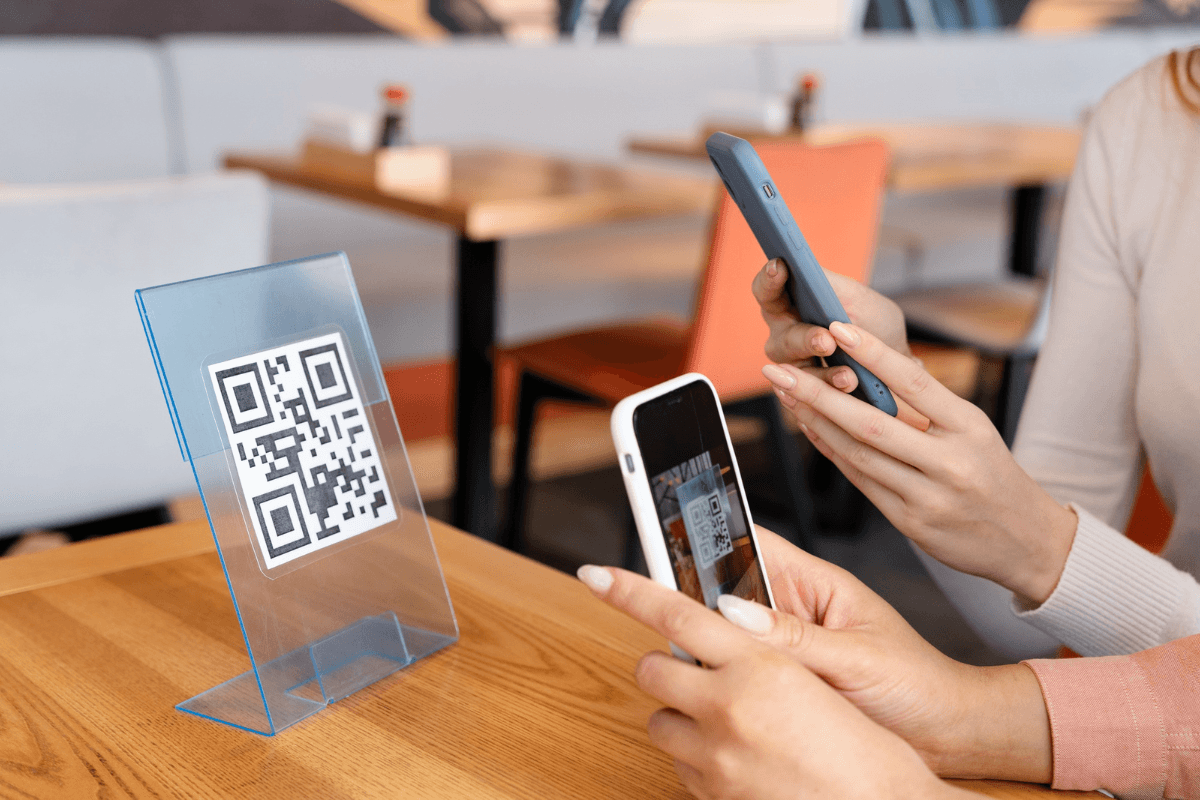
Instead of asking guests to download an application, create an account, or find cash, a hotel can give them a simple digital path to recognize great service. The guest scans a QR code, opens a secure tipping experience in their phone browser, chooses an amount, and completes the gratuity digitally.
For hotels, the opportunity goes beyond replacing cash. A well-designed digital tipping solution can make recognition more accessible across departments, create clearer attribution for staff and fit naturally into the mobile-first guest journey.
What Is No-App Tipping for Hotels?
No-app tipping is a form of cashless hotel tipping that allows guests to leave a gratuity without installing a dedicated mobile application.
The experience can be straightforward:
Scan → Select → Pay → Recognize
A guest scans a QR code associated with an employee or service area. The tipping page opens directly in the browser, where the guest can select a gratuity amount and complete payment using supported methods such as a card or digital wallet.
With NexGen Guest, the current flow supports browser-based tipping using cards, Apple Pay or Google Pay, with personal QR codes enabling gratuities to be attributed to the employee who delivered the service.
The difference may sound small, but from a user-experience perspective it matters.
When someone wants to leave a tip, the hotel is dealing with a brief moment of intent. Every extra action between “I want to thank this person” and “tip completed” adds friction.
No-app tipping keeps that journey short.
Why QR Code Tipping Fits the Modern Hotel Guest Journey
Hotels have spent years reducing friction throughout the stay.
Guests can increasingly check information on their phones, communicate digitally, order services online, and access hotel experiences without visiting the front desk.
Tipping should be able to follow the same pattern.
Guest appreciates service
↓
Guest looks for cash
↓
Guest may need the correct amount
↓
Guest needs to find the employee or leave the cash somewhere appropriate
↓
Tip may or may not reach the intended person
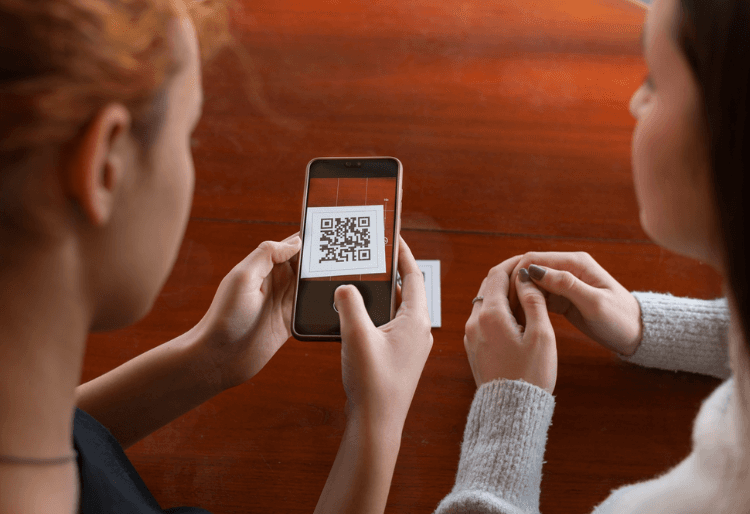
QR code tipping journey
Guest appreciates service
↓
Scans QR code
↓
Chooses an amount
↓
Pays digitally
↓
Gratuity is recorded for the appropriate employee or team
The goal is not to pressure guests into tipping.
The goal is to make it easier for guests who already want to recognize good service to do so.
That distinction is important for guest experience.
How QR Code Tipping Works Without an App
A strong QR code tipping solution for hotels should require very little explanation.
1. The guest scans a QR code
QR codes can appear at relevant service moments, depending on the hotel's operating model.
For example:
- Guest rooms for housekeeping
- Valet areas
- Bell desks
- Concierge touchpoints
- Spa or wellness areas
- Service cards or staff badges
The key is relevance. The QR code should appear naturally where recognition is most likely to happen.
2. The tipping page opens in the browser
There is no separate application to search for or install.
The guest moves directly from the QR code into the hotel's digital tipping experience.
This is especially valuable for travelers. A hotel guest may only stay for one or two nights, so expecting them to install a standalone tipping application creates an unnecessary step for a very short interaction.
3. The guest chooses the gratuity
Clear suggested amounts can simplify the decision while still giving the guest freedom to choose an appropriate value.
The experience should remain voluntary, transparent, and easy to understand.
4. The guest pays digitally
Digital wallet support can make the payment step even faster.
NexGen Guest currently supports card payments as well as Apple Pay and Google Pay in its browser-based tipping flow.
5. The tip is attributed
This is one of the most important operational considerations.
A digital tip is significantly more useful when the hotel knows who earned it.
NexGen Guest uses individual employee QR codes so that a gratuity can be associated with the named team member behind the service. It also supports individual and pooled approaches depending on the hotel's operating model.
Where No-App Hotel Tipping Can Have the Greatest Impact
Digital gratuities should not be treated as a single QR code placed at reception.
Different hotel departments have very different guest interactions.
Housekeeping
Housekeeping is an obvious use case because the guest and room attendant may never meet.
A room can be perfectly prepared while the guest is elsewhere. By the time the guest wants to recognize that service, the employee may no longer be nearby.
A personal or properly attributed QR code gives the guest another way to leave a gratuity without needing cash or face-to-face interaction.
Valet
Valet tipping happens during a fast transition.
The guest may be arriving for dinner, checking in, leaving for the airport or retrieving their vehicle. A short digital tipping flow works better in this environment than a process requiring registration or a dedicated app.
Bell and luggage services
Bell attendants often assist guests during arrival and departure—two moments when travelers may be moving quickly and managing luggage, reservations and transportation.
An accessible QR code creates another payment option when cash is not readily available.
Concierge and guest services
Not every interaction needs a tip prompt.
But when an employee delivers exceptional assistance and a guest actively wants to recognize them, a personal digital tipping option can make that recognition possible.
Spa, resort and service teams
Large resorts create even more tipping moments across the property.
A scalable hotel digital gratuity platform can help properties maintain consistent experience while still identifying individual employees, departments or pools.
Personal QR Codes vs. Generic Hotel QR Codes
This is an area hotel should examine carefully when evaluating hotel tipping software.
A generic QR code is simple to deploy, but it can create a second question:
Who actually earned the tip?
Personal QR codes can remove that ambiguity.
The guest knows who they are recognizing.
The employee receives direct recognition.
The hotel receives clearer attribution data.
For hotels trying to connect guest appreciation with individual service delivery, attribution becomes an important part of the value proposition not simply the payment itself.
NexGen Guest's current digital-tipping model assigns personal QR codes and links to employees while also supporting group and pooled tipping configurations.
No-App Tipping vs. Traditional Cash Tipping
Cash will continue to be appropriate for some guests.
Digital tipping does not need to be replaced.
The strongest hotel strategy is usually about choice.
| Cash tipping | No-app digital tipping |
| Requires physical currency | Available from the guest's phone |
| Immediate and familiar | Digital and traceable |
| May be difficult to attribute | Can be linked to an employee |
| No payment technology | Requires a digital tipping |
| required | platform |
| Useful for cash-carrying guests | Useful for cashless travelers |
The question therefore is not necessarily:
“Should hotels eliminate cash tipping?”
A better question is:
“Should guests who do not have cash lose the ability to recognize good service?”
No-app tipping provides an additional option.
Why Digital Wallets Matter
Removing the app is only one part of reducing friction.
The payment itself also needs to feel familiar.
A guest who scans a QR code and then has to manually enter unnecessary information may abandon the transaction.
Digital wallets help shorten that interaction.
With supported devices, Apple Pay and Google Pay allow guests to use payment credentials already stored on their phones. NexGen Guest's current wallet-tipping flow is designed around this scan-to-browser-to-wallet experience.
For international hotels and resorts, providing familiar digital payment options can also help create a more consistent experience for travelers who may not be carrying local currency.
What Hotels Should Look for in QR Code Tipping Software
Not all digital tipping platforms for hotels solve the same operational problems.
When evaluating a solution, hotel operators should look beyond the QR code itself.
No guest app required
The tipping experience should open quickly from the guest's phone.
Individual staff attribution
Hotels should understand whether tips can reach a named employee instead of disappearing into an unclear general pool.
Department and pooled tipping options
Different service models require different distribution rules.
Digital wallet support
Card and wallet payments reduce dependency on physical cash.
Staff visibility
Employees should be able to understand the gratuities attributed to them.
Operator reporting
Hotels need transparent records for reconciliation and operational oversight.
Payroll workflow
Collecting the gratuity is only the first half of the process.
Operators should also understand how digital tips move from payment collection to staff compensation.
NexGen Guest's current workflow records tips by employee, settles funds to the property's Stripe account and supports distribution through the property's existing payroll process.
Multi-property scalability
For hotel groups and resorts, administration should remain manageable as the number of employees, departments and properties grows.
QR Code Placement Matters More Than Hotels Think
Even excellent hotel tipping software can underperform if guests never see the tipping option at the right moment.
QR codes should appear contextually rather than everywhere.
For housekeeping, the code may belong in the guest room.
For valet, it may belong where the vehicle is returned.
For bell services, a personal employee badge or service card can be more appropriate.
Hotels should ask:
When does the guest naturally feel appreciation?
Place the tipping opportunity close to that moment.
This keeps digital tipping useful rather than intrusive.
Digital Tipping Should Feel Like Hospitality, not a Payment Terminal
This is perhaps the most important design principle.
Hotels should avoid turning every guest's interaction into a request for money.
Digital tipping works best when it gives guests a choice, rather than creating pressure.
The guest should remain in control.
Recognize excellent service.
Scan when they choose.
Select an amount.
Pay securely.
Continue their stay.
Done well, the technology disappears into hospitality experience.
What About Tip Distribution and Compliance?
Gratuity rules vary across countries and sometimes across states, provinces, or other jurisdictions.
Hotels operating internationally should confirm applicable requirements concerning:
- Employee tip distribution
- Payroll treatment
- Tax reporting
- Tip pooling
- Service charges versus voluntary gratuities
- Employee eligibility
- Recordkeeping
A digital tipping platform can help create clearer records, but technology does not replace jurisdiction-specific legal, payroll or tax advice.
For multinational hotel groups, this becomes particularly important when deploying a tipping program across multiple markets.
The Future of Hotel Tipping Is About Choice
The biggest change in hotel tipping is not simply moving from paper money to QR codes.
It is giving guests more ways to recognize the people behind their stay.
Cash can remain available.
But travelers who prefer cards or mobile wallets should also have an easy option.
With no-app tipping for hotels, that experience can be remarkably simple:
Scan. Choose. Pay. Recognize.
No application to install.
No account to create.
No search for an ATM.
No need to abandon gratuity simply because cash is unavailable.
For hotels, it creates another opportunity to connect guest appreciation with the employees who earned it.
And for staff, that appreciation becomes easier to receive, attribute and track.
Make Guest Appreciation Easier with NexGen Guest
NexGen Guest gives hotels a mobile-first approach to digital gratuities with personal staff QR codes, no-app browser tipping, card and digital wallet payments, individual and pooled tipping, staff earnings visibility and payroll-ready records.
Give guests a faster way to say thank you—without asking them to download another app.
FAQs
Do hotel guests need an app for QR code tipping?
No. With no-app hotel tipping, scanning the QR code opens a tipping page directly in the guest's mobile browser. The guest can select an amount and complete the gratuity without installing a separate application.
How does QR code tipping work in hotels?
The guest scans an employee or hotel QR code, opens the tipping experience, selects an amount, and pays digitally. Depending on the platform, the gratuity can be attributed to an individual employee, department or tip pool.
Can hotel guests tip using Apple Pay or Google Pay?
Digital tipping platforms can support mobile wallets such as Apple Pay and Google Pay. NexGen Guest currently supports both alongside card payments. (NexGen Guest)
Can QR code tips go directly to a specific hotel employee?
Yes, when the platform supports individual staff attribution. NexGen Guest assigns personal QR codes to employees so that tips can be recorded against the person who provided the service.
Which hotel departments can use digital tipping?
Digital tipping can work across housekeeping, valet, bell services, front desk or concierge teams, spa teams, food and beverage, and other guest-facing departments.
Is digital tipping suitable for hotel groups?
It can be. Multi-property groups should evaluate centralized administration, employee attribution, reporting, tip distribution, payroll processes, and local gratuity regulations before deployment.